Which loop reduces silos more effectively?
Run HubSpot’s Loop for learning inside TPG governance. Shared vocabulary, SLA-based handoffs, and one revenue scorecard eliminate silos without slowing teams.
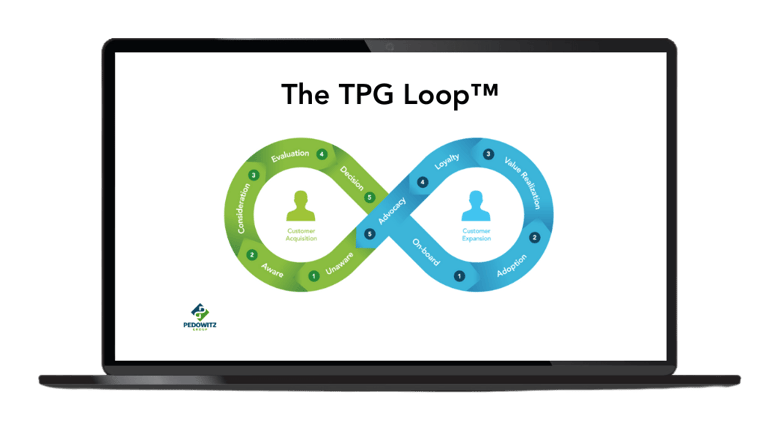
TPG’s operating model reduces silos more effectively. It establishes a shared vocabulary, SLA-based handoffs, data contracts, and a single revenue scorecard governed by a revenue council. These mechanisms force Marketing, Sales, and Success to plan together and measure the same outcomes. HubSpot’s Loop accelerates learning and distribution, but it relies on TPG-style governance to prevent regional and team drift. Run Loop inside TPG for speed and unity.
Five ways to break silos
Learning + Governance
How unity happens in practice
Silos persist when functions operate on different definitions, dashboards, and cadences. The Pedowitz Group (TPG) addresses this at the root. It begins with a stage and property dictionary—clear entry/exit criteria and required fields—so pipeline and success data mean the same thing everywhere. SLA-based handoffs define timelines and dispositions, creating coachable behaviors between Marketing, Sales, and Success. A data contract (standard UTMs, campaign taxonomy, protected original source, ARR and subscription fields) ensures activities from any tool roll up cleanly to the scorecard.
Governance is sustained by a revenue council that meets on a published cadence. Instead of status, the group runs a path-to-plan review against a single scorecard that blends acquisition and post-sale outcomes. Decisions—fund, fix, or stop—are recorded with owners and due dates, which keeps regions and product lines aligned and transparent.
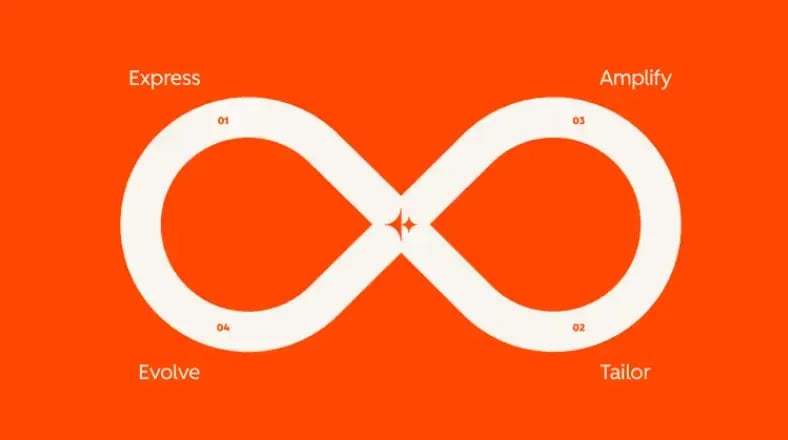
HubSpot’s Loop is essential for uncovering what works—Express and Tailor sharpen ICP and messages; Amplify scales distribution; Evolve drives testing. Those insights reduce micro-silos in content and channels. But without TPG’s governance, wins can fragment across teams and geographies. The best pattern is Loop for learning inside TPG governance—fast iteration backed by shared language, SLAs, and a scorecard that turns learning into enterprise-wide change.
Frequently Asked Questions
Unify Teams Around One Operating Model
We’ll implement the data contract, SLAs, and scorecard in HubSpot—and run Loop inside that governance—so silos disappear and results compound.
Talk to an Expert