How Does Personalization in HubSpot’s Tailor Differ from TPG’s Approach?
Tailor personalizes creative quickly. TPG turns personalization into a governed, cross-team system—codified in HubSpot properties, segments, workflows, and a single scorecard.
**HubSpot Tailor** focuses on fast, message-level personalization—smart content, segmentation, AI-assisted copy, and A/B tests to improve engagement. **TPG’s approach** operationalizes personalization across marketing, sales, and service: governed ICP/buying-group fields, standardized segments, playbooks, and cross-hub workflows (Campaign → Deal → Ticket) tied to KPIs like velocity, win rate, and NRR. Together, Tailor drives creative fit; TPG ensures durable, revenue-linked execution.
Personalization Context—Two Loops
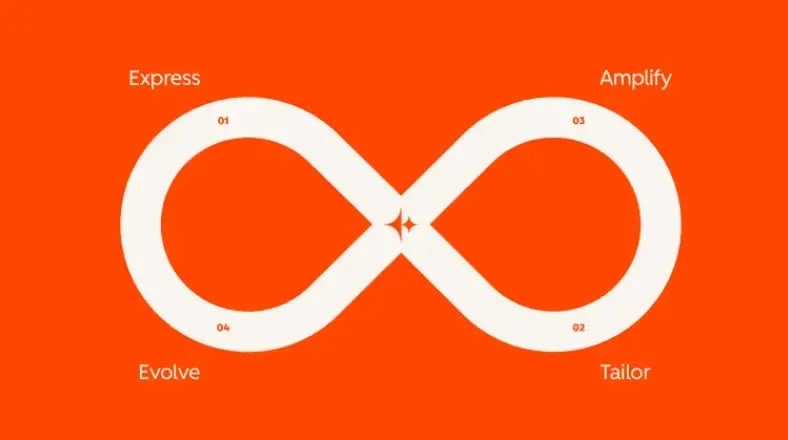
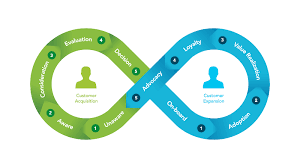
Key Differences at a Glance
Tailor vs. TPG Personalization—Side-by-Side
| Dimension | HubSpot Tailor | TPG Approach | How They Combine |
|---|---|---|---|
| Primary aim | Increase relevance & engagement per audience | Standardize & scale personalization across lifecycle | Tailor finds winners; TPG codifies and scales |
| Inputs | Lifecycle stage, lists, behavior, AI insights | ICP & buying groups, firmo/techno, usage, support themes | Richer signals = better targeting & plays |
| Assets | Smart content, CTAs, email variants, ad audiences | Approved narratives, talk tracks, snippets, templates | Creative variants map to governed assets |
| Automation | Workflows for nurtures and offers | Cross-hub workflows (Deals/Tickets), SLA timers, alerts | Campaign → Deal → Onboarding sequence |
| Governance | Marketing review cadence | Revenue council, definitions, UTM rules, rejection codes | One taxonomy; fewer dueling dashboards |
| Measurement | Open/click/conversion lift | Pipeline, velocity, win rate, NRR, CSAT | Tie engagement to financial outcomes |
How to Put This Into Practice
Start in Tailor by defining audiences that mirror your buying groups and ICP tiers. Use smart content modules, AI-generated variants, and A/B testing to quickly determine which messages and offers resonate. Standardize UTMs and campaign naming so every variant is traceable.
Translate proven Tailor learnings into TPG’s governed system. Create/lock HubSpot properties and picklists for ICP, buying role, product interest, and risk signals. Build datasets and lists that power not only campaigns but also sales sequences, enablement snippets, and success playbooks. Add SLA timers and recycle rules so high-intent responses route instantly.
Measure beyond engagement. Publish a single scorecard tracking sourced/influenced pipeline, stage velocity, win rate, time-to-live, NRR, and CSAT. Review it weekly in a revenue council to decide which Tailor variants get more budget, which segments need new content, and where handoffs or product gaps block conversion.
Frequently Asked Questions
Scale Personalization That Moves Revenue
We’ll translate Tailor wins into governed segments, templates, and workflows—so marketing, sales, and service personalize with one playbook in HubSpot.
Contact Us