How Does TPG’s Loop Leverage Customer Success in Revenue Growth?
By converting onboarding, health, and advocacy signals into automated plays, SLAs, and a scorecard that proves retention and expansion—inside HubSpot.
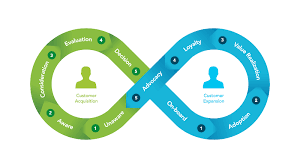
TPG’s Loop makes Customer Success (CS) a core revenue motion. We map adoption, sentiment, and usage signals to routed actions in HubSpot—projects, tickets with SLAs, renewal deals, quotes/payments, and advocacy tasks. Results roll up to one Loop scorecard covering time-to-first-value, health trends, renewal rate, expansion ARR, and NRR. Winners become templates so every cycle compounds outcomes.
CS Levers That Drive Revenue in the Loop
Customer Success to Revenue Mapping (TPG Loop on HubSpot)
| Journey Moment | Key Signals | HubSpot Actions | Revenue Outcome | Scorecard KPIs |
|---|---|---|---|---|
| Onboard | Project milestones, first login, usage depth | Projects & tasks, playbooks, SLA reminders | Faster time-to-first-value | TTFV, on-time completion %, CSAT |
| Adopt | Feature adoption, seat activation, training | Nurtures, enablement kits, in-app prompts | Higher product stickiness | Active users %, feature usage %, ticket deflection |
| Risk | Usage drop, negative NPS, ticket backlog | Risk playbook → tasks/tickets, exec visibility | Save at-risk revenue | Save rate, days-to-recovery, churn rate |
| Advocacy | High NPS, champion activity, outcomes met | Reference program, case study request, review ask | Influenced pipeline via proof | References created, reviews, content reuse |
| Renew & Expand | Health score, renewal date, usage thresholds | Renewal deals, quotes & pay links, add-on offers | NRR growth | Renewal %, expansion %, NRR, pay-cycle time |
How We Operationalize CS-Driven Growth
We begin by defining a health model that blends product usage, service signals, and sentiment. Required properties and naming standards keep data trustworthy. Onboarding is templatized into repeatable projects and checklists with SLA timers. Each step writes evidence to the timeline so your team can coach with facts, not anecdotes.
Next, we build a save-and-expand play library. Risk signals create tickets and tasks with owners; escalations notify leaders automatically. Adoption milestones trigger enablement and targeted add-on offers. Advocacy is operationalized: champions are enrolled into reference and review programs, and their proof feeds Marketing and Sales enablement.
Finally, we govern CS with a Loop scorecard. Datasets roll up TTFV, health trend, renewal rate, expansion ARR, NRR, and deflection. In monthly Loop retros, leaders make start/stop/scale decisions. Winners become default templates and playbooks, so every quarter begins closer to your revenue targets.