How Does the TPG Loop Align Marketing with Sales Accountability?
The Loop turns alignment into an operating model: one scorecard, shared definitions, SLA-driven handoffs, and clean attribution—so both teams own pipeline, velocity, and revenue.
TPG’s Loop aligns marketing with sales by governing a shared revenue system. We define one metric dictionary (MQL/SQL/SAO, stages, lookbacks), enforce SLA-based handoffs with acceptance and recycle rules, and lock a single attribution model for sourced revenue alongside association-based influence. A monthly revenue council reviews a joint scorecard and issues start/stop/scale decisions—tying funding and compensation to pipeline, velocity, win rate, and revenue.
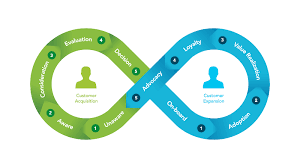
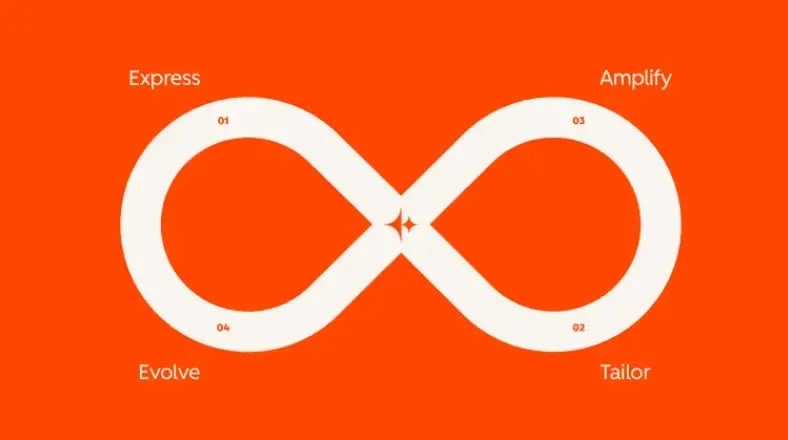
Two Loops, One Accountability Model
Accountability Checklist
How the Loop Makes Accountability Real
First, the revenue council adopts a metric dictionary and naming standard so dashboards reconcile. Campaign associations are mandatory on every asset. Original-source and deal dates are protected. This creates a factual backbone for the scorecard.
Next, we operationalize SLAs. Marketing commits to qualified demand; sales commits to response, acceptance, and accurate dispositions. Rejection codes auto-route leads to nurture or recycle, creating coachable loops. Enablement playbooks mirror campaign content so buying groups hear one story from first touch to close.
Finally, the council reviews sourced & influenced impact, stage velocity, and win rate by program. Leaders make start/stop/scale calls and adjust funding and headcount accordingly. Accountability sticks because decisions—and compensation—follow the same scorecard every month.
Accountability Map — Outcome → Marketing → Sales → Joint → HubSpot/CRM → Guardrail
| Outcome / KPI | Marketing accountable for | Sales accountable for | Joint responsibility | HubSpot / CRM features | Guardrail |
|---|---|---|---|---|---|
| Accepted Meetings | Audience & offer; instrumented CTAs | First-touch within SLA; meeting set | Definition of “accepted” and no-shows | Forms, CTAs, Workflows, Meetings | 24h response; rejection codes required |
| Pipeline Created (Sourced) | Programs that generate opportunities | Accurate stage creation & products | Attribution model & taxonomy | Revenue Attribution, Campaigns, Deals | One exec model; locked dates |
| Pipeline Influenced | Targeted touches to buying groups | Associate contacts to deals | Overlap view with sourced | Campaign members, Lists, Associations | Do not sum with sourced |
| Stage Velocity | Content & proof to unblock stages | Accurate dispositions; next-step dates | Exit criteria by stage | Playbooks, Sequences, Pipelines | Time-in-stage targets per segment |
| Win Rate & ASP | Competitive proof, ROI assets | Mutual close plans; multithreading | Deal reviews on one dashboard | Forecast, Deal Splits, Products | Cause analysis in council |
Frequently Asked Questions
Run the Accountability Playbook
We’ll deploy shared definitions, SLAs, and the executive scorecard—then coach your revenue council to make decisions that stick.
Start My 30-Day Sprint