The timeline looked reasonable on paper: three months to connect your new marketing automation platform with your CRM, ERP, and analytics tools. Then month four arrived, and the project wasn't close to finished. If this scenario sounds familiar, you're not alone. Enterprise teams consistently underestimate how long marketing platform integration projects actually take.
The problem isn't poor planning or inadequate resources. It's that most project timelines account for the visible technical work while overlooking the organizational, process, and data quality demands that consume the majority of integration effort. The Pedowitz Group helps enterprise marketing leaders navigate these hidden complexities through vendor-neutral technology consulting.
This article breaks down why integration projects consistently run long and what you can do about it.
Key Takeaways: Why Marketing Platform Integrations Take Longer
- Data quality issues cause more integration delays than technical complexity or API limitations.
- Governance decisions around data ownership and access require cross-functional alignment before work begins.
- Change management for end users is often budgeted last but determines whether integrations deliver value.
- The Pedowitz Group's vendor-neutral approach helps you avoid technology bias when scoping integration projects.
- Realistic timelines account for organizational readiness, not just technical connectivity.
Why Technical Estimates Miss the Full Picture
When your team estimates integration timelines, they typically calculate how long it takes to establish API connections, map data fields, and test data flows. These technical tasks are measurable and familiar. They're also the smallest portion of actual project effort.
A survey by BlueConic and WBR Insights found that 71% of marketing leaders identify integrating new technologies with existing systems as the primary obstacle to becoming data-driven. The challenge isn't making systems talk to each other. It's making diverse and often incompatible systems work together in ways that support actual business processes.
Technical connectivity represents perhaps 20-30% of total integration effort. The remaining 70-80% involves data preparation, process alignment, governance setup, and user adoption work that rarely appears in initial project plans.
How Data Quality Becomes Your Largest Hidden Cost
Your marketing automation platform connects successfully to your CRM. Data flows in both directions. Then you discover that 40% of your contact records have inconsistent field formatting, duplicate entries exist across systems, and historical data contains gaps that break automated workflows.
The same BlueConic research reveals that 81% of marketing executives rate their current technology infrastructure as only adequate, partially adequate, or inadequate. That infrastructure includes the data sitting inside those systems. When data is inaccurate or outdated, the insights derived from it are compromised.
Data cleansing, deduplication, and standardization work typically doubles or triples integration timelines. This work is invisible during planning because teams assume their existing data is ready for integration. It rarely is.
What Governance Decisions Delay Integration Projects?
Before you can integrate systems, you need answers to questions that cut across organizational boundaries. Who owns the customer record when marketing, sales, and service all touch it? Which system serves as the source of truth for contact information? Who approves changes to field mappings that affect downstream reporting?
These governance questions require alignment between marketing leadership, IT, sales operations, and often legal and compliance teams. The Pedowitz Group's MarTech integration consulting practice finds that governance discussions add two to six weeks to most enterprise integration projects.
The time isn't wasted. Clear governance prevents conflicts and rework later. But it needs to appear in your timeline from the start, not as an unexpected discovery mid-project.
Why Process Alignment Takes Longer Than Expected
Integration isn't just about connecting systems. It's about connecting the processes those systems support. Your marketing team follows one lead qualification process. Sales uses different criteria. Service has its own definitions for customer status. Integration forces these differences into the open.
A MarTech.org analysis notes that organizations are not replacing existing workflows with integrated ones. They're layering new capabilities on top of systems that still run the business. Making these systems work together without creating fragmentation requires process redesign, not just data mapping.
Your marketing operations team may need to redefine lead stages, adjust scoring models, or create new handoff workflows. This work can't happen in parallel with technical integration. It must happen before, or the technical work will need to be redone.
How Change Management Affects Integration Success
The best planned integration project can fail if employees resist new workflows or struggle to adapt to changed processes. A CRM integration project that technically succeeds but that sales teams refuse to use produces zero return on investment.
User adoption requires training programs tailored to specific roles, not generic system overviews. It requires communication that explains benefits rather than just announcing changes. It requires ongoing support as users encounter real-world scenarios the training didn't cover.
The Pedowitz Group's technology consulting approach builds change management into project timelines from the start. Teams that skip this step often complete technical work on schedule only to find that adoption takes another three to six months of effort.
What Role Does MarTech Stack Complexity Play?
Enterprise marketing teams now operate dozens of tools. Each tool has its own data structure, API design, and update cycle. Vendors release changes independently, often on weekly or biweekly schedules. An integration that works today may break silently next month when a vendor updates an API endpoint.
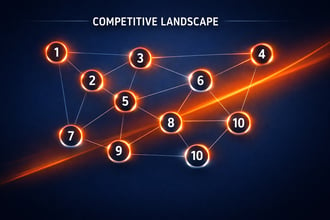
This complexity multiplies with each additional system. Connecting two platforms requires one integration. Connecting five platforms requires ten integration paths. Connecting ten platforms requires forty-five potential integration relationships. Enterprise marketing technology environments regularly exceed this scale.
Stack complexity means integration projects require ongoing maintenance budgets, not just implementation budgets. The project timeline should include capacity for regression testing after each vendor update.
Why Real-Time Data Expectations Create Delays
Your executive team expects dashboards to reflect current reality. Marketing wants immediate lead routing. Sales needs real-time visibility into campaign engagement. These expectations drive requirements for real-time integration rather than batch processing.
Real-time integration is technically possible but adds substantial complexity. It requires event-driven architecture, message queuing, error handling for failed transactions, and monitoring for processing delays. Batch processing that runs hourly or daily is simpler to implement and maintain.
The gap between real-time expectations and practical implementation adds weeks to integration projects. Your team needs honest conversations about which data truly requires real-time availability versus which can tolerate reasonable delays.
How API Limits and Throttling Extend Timelines
Every marketing platform imposes limits on API usage. You can make a certain number of calls per day or per minute. Exceed those limits and your integration fails or gets throttled. Initial testing with small data volumes may succeed while production volumes trigger limits you didn't anticipate.
Working within API limits requires batching operations, scheduling non-critical updates during off-peak hours, and implementing retry logic for failed calls. This optimization work doesn't appear in initial estimates because teams test with sample data, not production volumes.
Your revenue operations team should factor API constraints into integration architecture decisions early. Discovering limits during production cutover forces timeline extensions while you redesign data flows.
What Makes Cross-Departmental Alignment Difficult?
Integration projects touch multiple departments with different priorities, budgets, and timelines. Marketing needs the integration to support an upcoming campaign launch. IT has resource constraints from other projects. Finance requires compliance reviews before data flows between systems. Sales wants customizations that weren't in the original scope.
According to the BlueConic research, 47% of marketing teams only collaborate with IT, sales, and customer service occasionally or rarely. This limited collaboration extends integration timelines because alignment conversations happen sequentially rather than in parallel.
The Pedowitz Group's RevOps consulting brings cross-functional stakeholders together early. Regular collaboration prevents the back-and-forth that adds weeks to every decision point.
Why Vendor Selection Compounds Integration Complexity
Your organization may have selected marketing platforms based on feature requirements without fully evaluating integration capabilities. A tool that excels at campaign execution may have limited APIs. A platform with strong analytics may use proprietary data formats that resist standardization.
Vendor-neutral assessment before selection prevents integration surprises later. The Pedowitz Group's MarTech unification assessment evaluates platforms across 600+ sales and marketing technologies to identify integration requirements before procurement decisions lock you into difficult architecture.
When vendor selection has already happened, integration projects must work within existing constraints. That often means building custom middleware, accepting manual processes for certain data flows, or extending timelines to develop workarounds.
In Conclusion: Building Realistic Integration Timelines
Marketing platform integration projects take longer than expected because the visible technical work represents a fraction of total effort. Data quality, governance decisions, process alignment, change management, and cross-departmental coordination consume the majority of project time.
Realistic timelines start with organizational readiness assessment, not technical feasibility analysis. They include explicit phases for data cleansing, governance agreement, process redesign, and user training. They budget maintenance capacity for ongoing vendor changes.
Your next integration project doesn't have to repeat past timeline failures. Start by doubling your initial estimate, then validate that number against the organizational work required. The technical integration will succeed. The question is whether your organization will be ready for it.
FAQs About Why Marketing Platform Integrations Take Longer
Why do marketing platform integrations typically exceed their initial timelines?
Initial estimates focus on technical connectivity while overlooking data quality remediation, governance alignment, and change management work. These organizational factors typically consume 70-80% of total integration effort but rarely appear in project plans.
How can enterprise teams better estimate integration project timelines?
Start with organizational readiness assessment before technical scoping. The Pedowitz Group recommends evaluating data quality, governance clarity, process alignment, and change management capacity as primary timeline drivers rather than API complexity.
What role does data quality play in integration delays?
Poor data quality causes more delays than technical challenges. Duplicate records, inconsistent formatting, and missing fields require cleansing before integration can deliver accurate results. This work often doubles or triples planned timelines.
How does The Pedowitz Group approach marketing platform integration differently?
The Pedowitz Group applies vendor-neutral technology consulting across 600+ platforms, focusing on organizational readiness alongside technical implementation. This approach addresses the hidden complexity drivers that cause most integration delays.
What governance decisions should happen before integration projects begin?
Teams need agreement on data ownership, source-of-truth designation, field mapping approval processes, and access controls. The Pedowitz Group's integration consulting typically allocates two to six weeks for governance alignment before technical work starts.
How do API limits affect integration project timelines?
API rate limits that seem adequate during testing may constrain production volumes. Discovering these limits late forces redesign of data flows and batching strategies. Factor API constraints into architecture decisions early to avoid timeline extensions.